is a global navigation satellite system that provides location, velocity and time synchronization.
GPS is everywhere. You can find GPS systems in your car, your smartphone and your watch. GPS helps you get where you are going, from point A to point B.
What is GPS and how does it work?
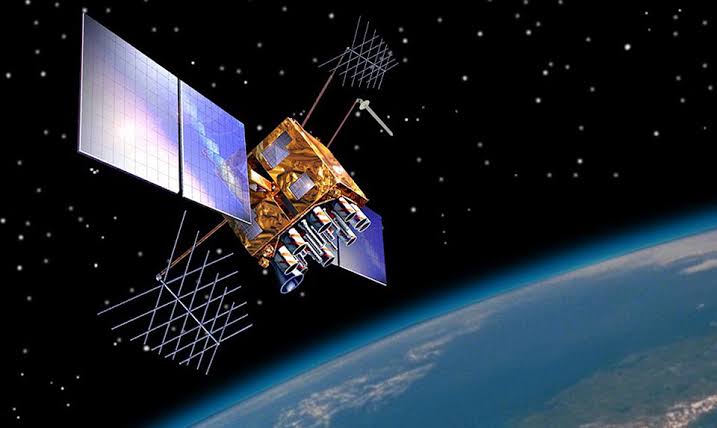
The Global Positioning System (GPS) is a navigation system using satellites, a receiver and algorithms to synchronize location, velocity and time data for air, sea and land travel.
The satellite system consists of a constellation of 24 satellites in six Earth-centered orbital planes, each with four satellites, orbiting at 13,000 miles (20,000 km) above Earth and traveling at a speed of 8,700 mph (14,000 km/h).
While we only need three satellites to produce a location on earth’s surface, a fourth satellite is often used to validate the information from the other three. The fourth satellite
also moves us into the third-dimension and allows us to calculate the altitude of a device.
What are the three elements of GPS?
GPS is made up of three different components, called segments, that work together to provide
location information.
The three segments of GPS are:
a. Space (Satellites) — The satellites circling the Earth, transmitting signals to users on geographical position and time of day.
b. Ground control — The Control Segment is made up of Earth-based monitor stations, master control stations and ground antenna. Control activities include tracking and operating the satellites in space and monitoring transmissions. There are monitoring stations on almost every continent in the world, including North and South America, Africa, Europe, Asia and Australia.
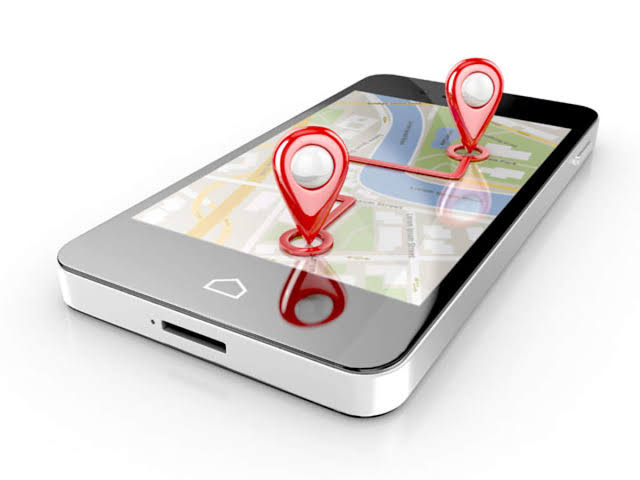
c. User equipment — GPS receivers and transmitters including items like watches, smartphones and telematic devices.
What are the uses of GPS?
There are five main uses of GPS:
Location — Determining a position.
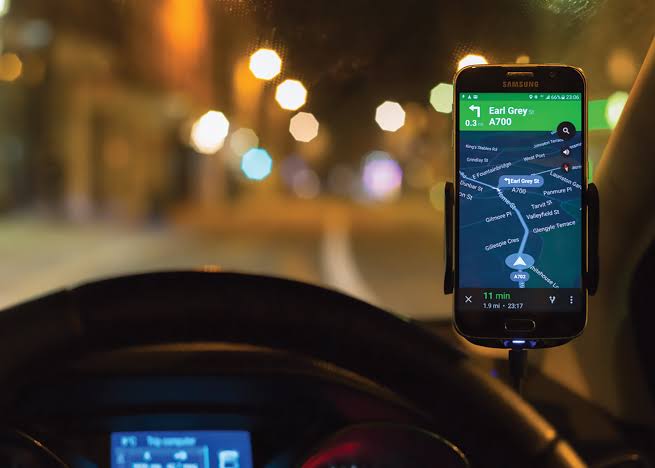
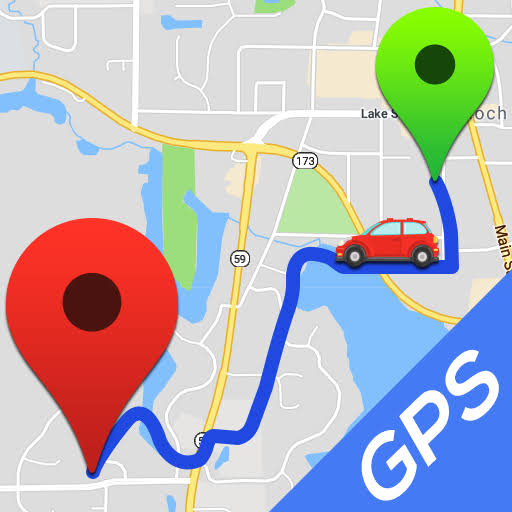
Navigation — Getting from one location to another.
Tracking — Monitoring object or personal movement.
Mapping — Creating maps of the world.
Timing — Making it possible to take precise time measurements.
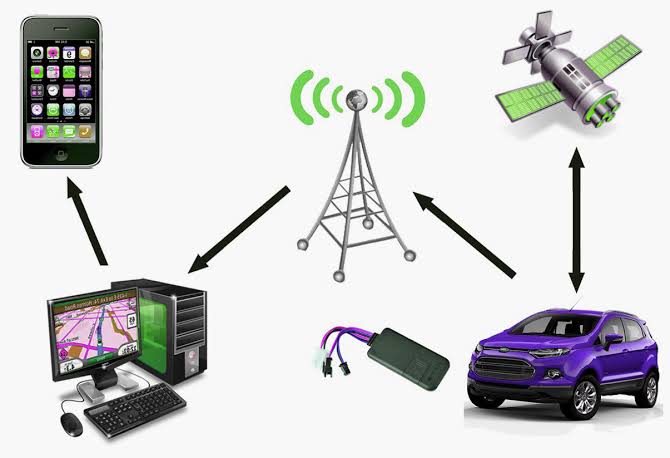
Some specific examples of GPS use cases include:
Emergency Response: During an emergency or natural disaster, first responders use GPS for mapping, following and predicting weather, and keeping track of emergency
personnel.
Entertainment: GPS can be incorporated into games and activities like Pokémon Go and Geocaching.
Health and fitness: Smartwatches and wearable technology can track fitness activity (such as running distance) and benchmark it against a similar demographic.
Construction, mining and off-road trucking: From locating equipment, to measuring and improving asset allocation, GPS enables companies to increase return on their assets. Check out our posts on construction vehicle tracking and off-road equipment
tracking.
Transportation: Logistics companies implement telematics systems to improve driver productivity and safety. A truck tracker can be used to support route optimization,
fuel efficiency, driver safety and compliance.
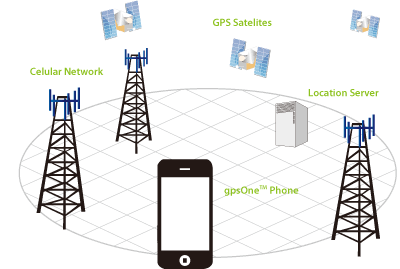
How accurate is GPS?
GPS device accuracy depends on many variables, such as the number of satellites
available, the ionosphere, the urban environment and more
 Site Title